Public Hospital in Vancouver

Two identical towers were compared, one on conventional medical grade filters and one on NanoFlashing™. Bioaerosols at the NanoFlashing™ supply vent were 95.44% lower.


Scroll to see what was tested
NanoFlashing™ is built to maintain its polarity through a wildfire smoke event. Conventional electrostatic charges fade in service, dragging performance down with them.
The EPA found that 10 milligrams of smoke can cut a conventional MERV 13 electrostatic filter's clean air delivery by about 95%. During the 2025 Los Angeles wildfires, a typical home system could take in that much smoke in roughly two minutes.
In independent testing with real smoke from burning pine needles, NanoFlashing™ captured nearly 92% of ultrafine particles at 16.5 nanometres, far smaller than a coronavirus.
Industry standards ASHRAE 52.2 Appendix J and ISO 16890 test electrostatic filters to see how they perform when their temporary charge is no longer helping them capture particles. NanoFlashing™ maintains MERV 15A under ASHRAE testing, while Eurovent certifies the same filter at ISO ePM1 70% with an A class energy rating.
LMS Technologies, Report 9904
LMS Technologies, Report 6847
Eurovent Certita Certification, Certificate No. 15.06.011
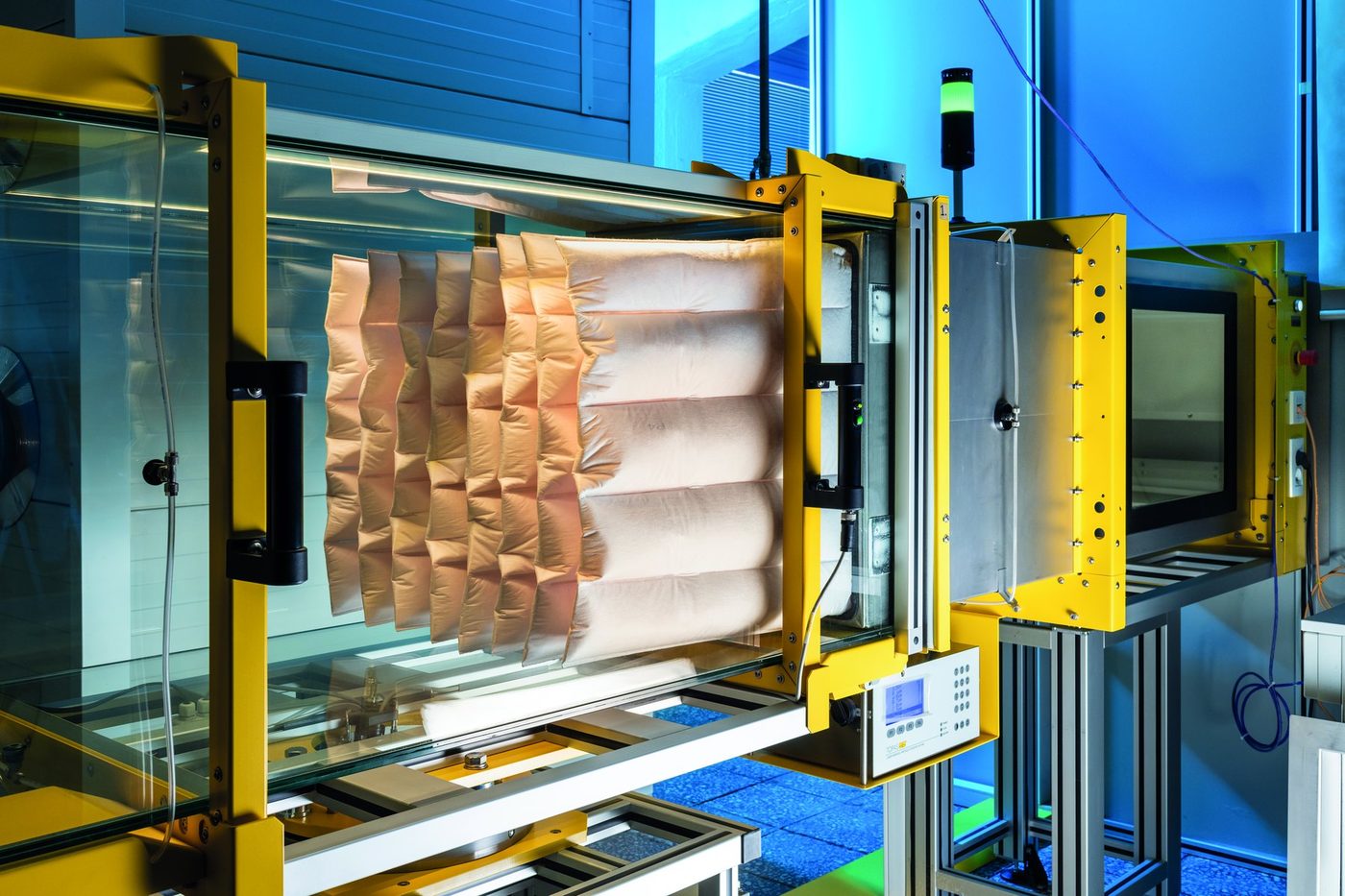
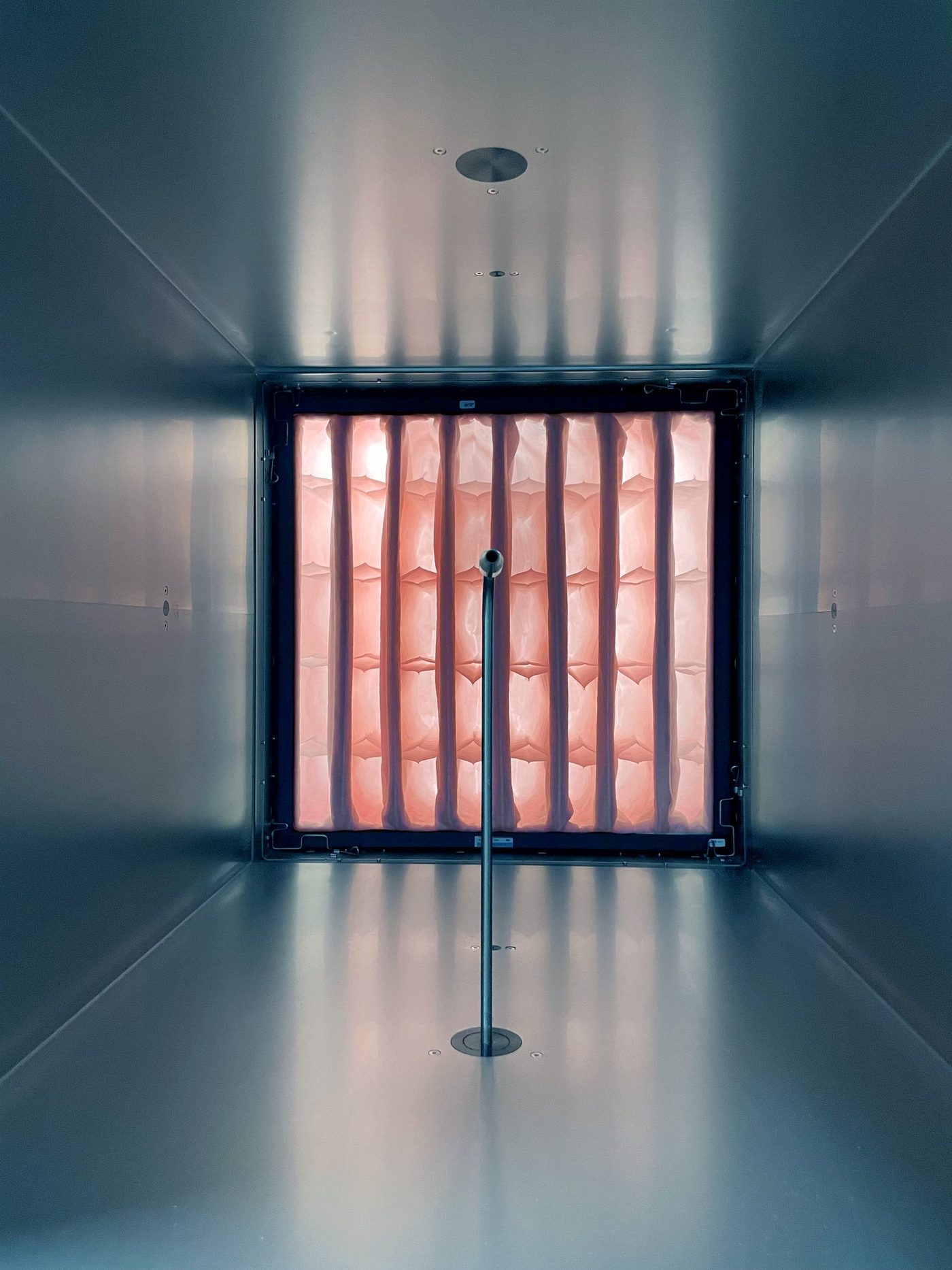
Independent testing shows NanoFlashing™ destroys up to 99.99% of a broad spectrum of viruses, bacteria and fungal spores through a physical mechanism. Below are the pathogens and conditions tested, and the institutes that tested them.

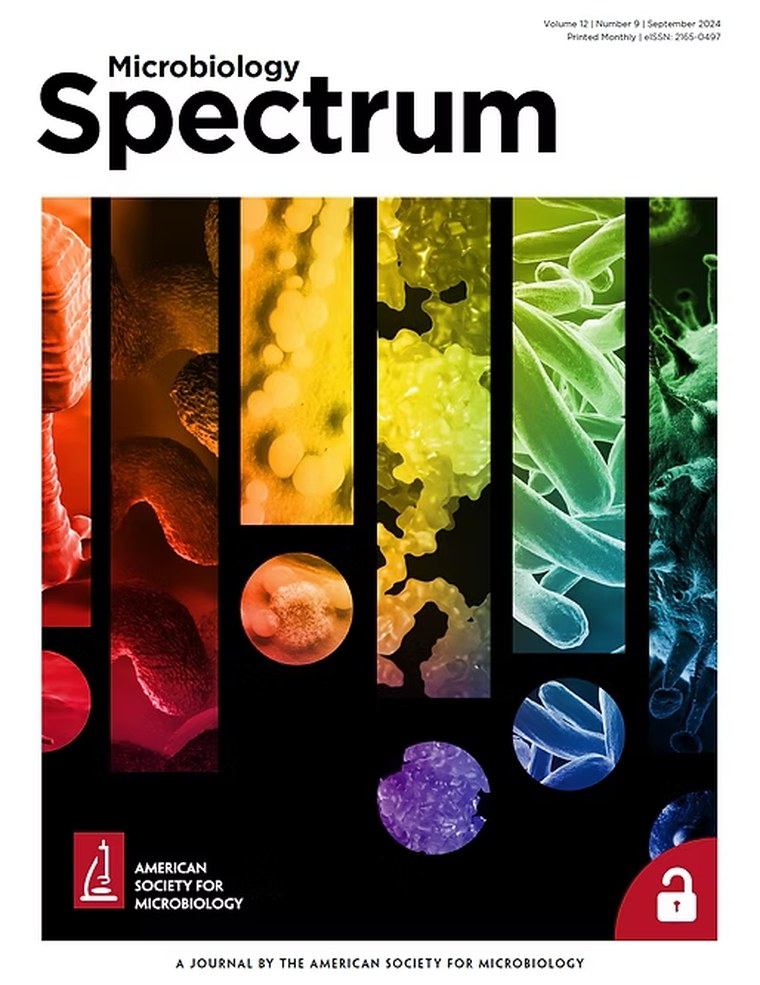
The science behind NanoFlashing™ was reviewed by other scientists and published by the American Society for Microbiology.
Gong, Or, Sze et al. Microbiology Spectrum 12(9), e0409723. American Society for Microbiology. doi:10.1128/spectrum.04097-23
Conventional filters only trap contaminants, they do not destroy them. Captured microbes remain viable on the filter for weeks to months and are released back into the air, raising outbreak risk and exposing staff during changeouts, while NanoFlashing™ won't.
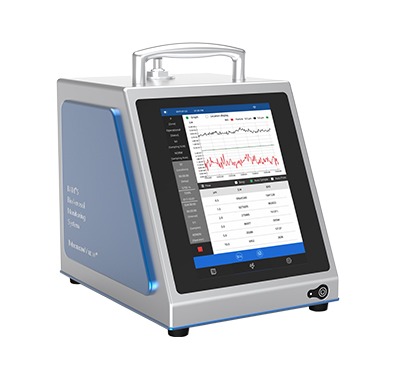
Since 2020, NanoFlashing™ has been installed in 441 facilities across 7 countries, in hospitals, airports, banks and universities, and independently measured at 19 of those sites. Every reading used the MicronView Bio-fluorescent Air Monitoring System, a 405 nm counter that tells living particles from inert dust in real time. The four studies below are part of that record.
Two identical towers were compared, one on conventional medical grade filters and one on NanoFlashing™. Bioaerosols at the NanoFlashing™ supply vent were 95.44% lower.

Measured before and after the air handling unit filters were changed to NanoFlashing™. Particulates down 92.1%, bioaerosols down 94.2%, energy down 18%.


Measured before and after the air handling unit filters were changed to NanoFlashing™. Particulates down 76.7%, bioaerosols down 86.0%.


Measured before and after the air handling unit filters were changed to NanoFlashing™. Particulates down 82.0%, bioaerosols down 85.5%.

Independent studies show NanoFlashing™ is safe for people and the environment.
NanoFlashing™ is certified to OEKO-TEX® Standard 100, Product Class II, the class for products in direct contact with skin.
Comprehensive safety studies, run under Good Laboratory Practice to US EPA test guidelines, confirm that it is safe for humans and other mammals.
NanoFlashing™ complies with UL 900, ULC-S111, DIN 53438 and EU RoHS.
OEKO-TEX Service GmbH, Certificate 17.0.25812
Product Safety Labs, Study 65321
Product Safety Labs, Study 65322
Product Safety Labs, Study 65323
Product Safety Labs, Study 65324
Intertek Building & Construction, Report 105169484SAT-001
Intertek Building & Construction, Report 105175501SAT-001
Intertek Building & Construction, Report 104974202SAT-001
Intertek Building & Construction, Report 106093268SAT-001
Intertek Building & Construction, Report 106079483SAT-001
RST Rail System Testing, Report P60-22-0003
RST Rail System Testing, Report P60-24-0297
Intertek, Report HKGT05289390